Legacy
A FAMILY HISTORY
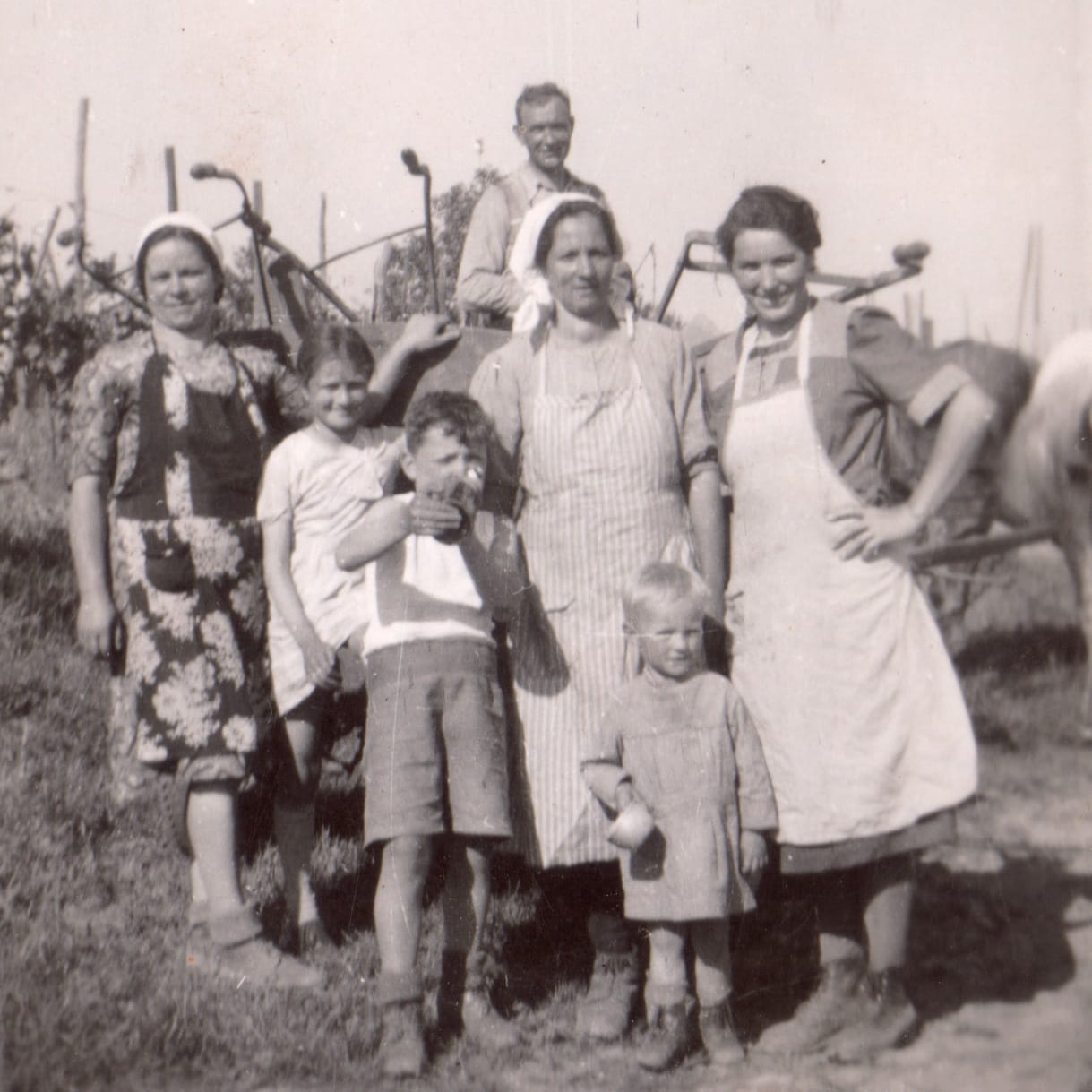
The winemakers and winegrowers of the family cultivated their plots on the hillsides of the Rimbach valley and produced their wine confidentially. This winemaking was then one of the components of a very varied and unspecialised agricultural activity.
It was in the aftermath of World War II, in an Alsace which was once again French and in full renaissance, that Victor Roth and his wife Amélie (née Burner, another family of winegrowers) devoted themselves more particularly to the cultivation of the vine, the vinification and the sale of their wines in bottles. They unite the vineyards of their two families, acquire new plots to reach a surface of 3 to 4 hectares and grow the walls of the small historical cellar in the city centre of Soultz.
A Family, a Terroir, a History
Browse the frieze to discover our heritage
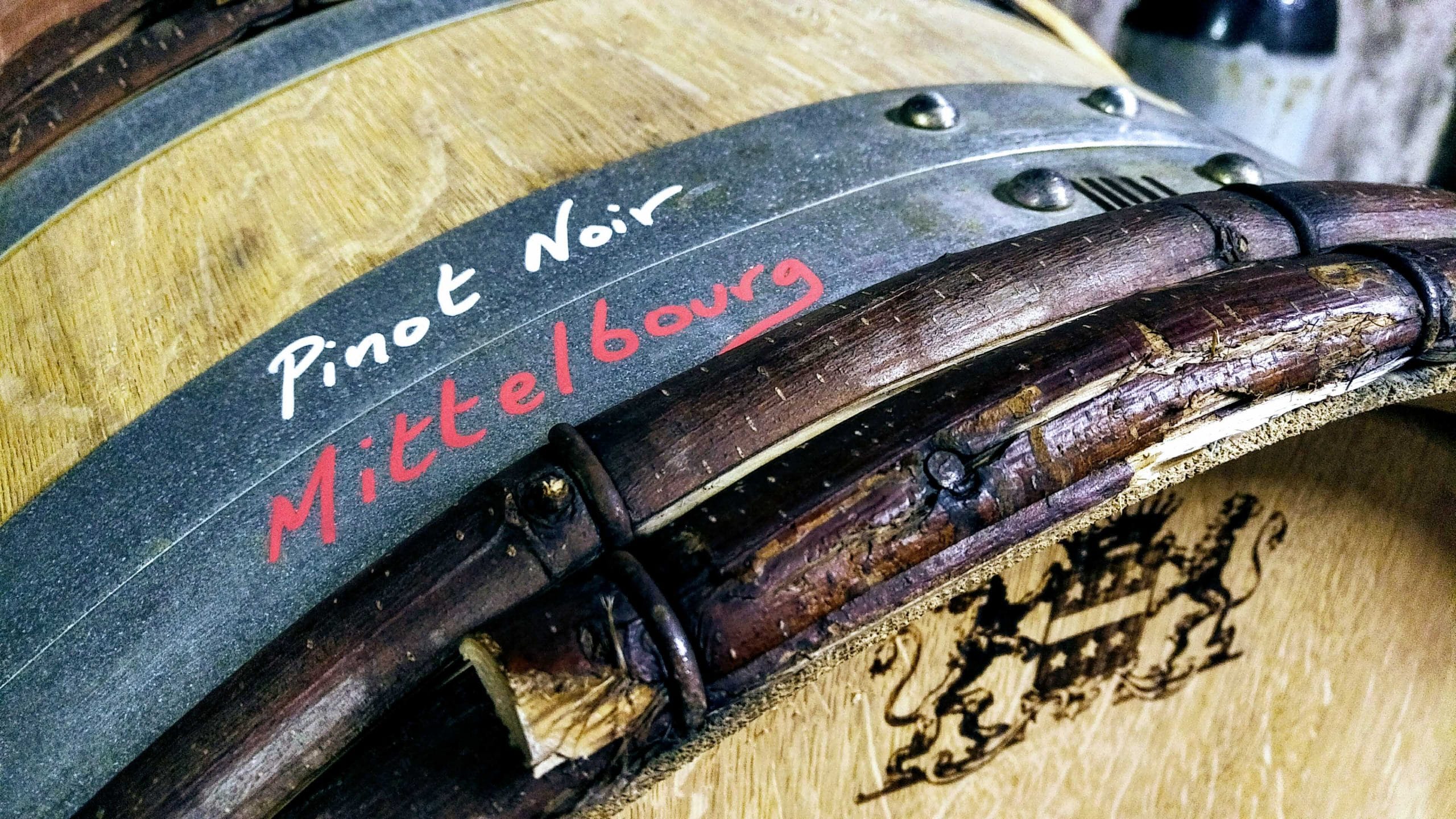
Mittelburg
and
Orschwillerbourg.
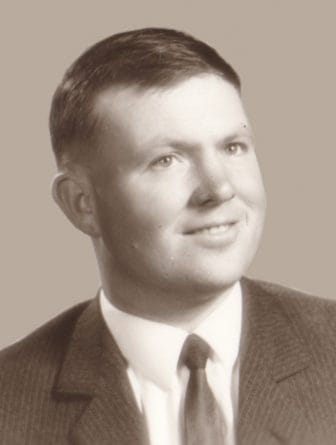
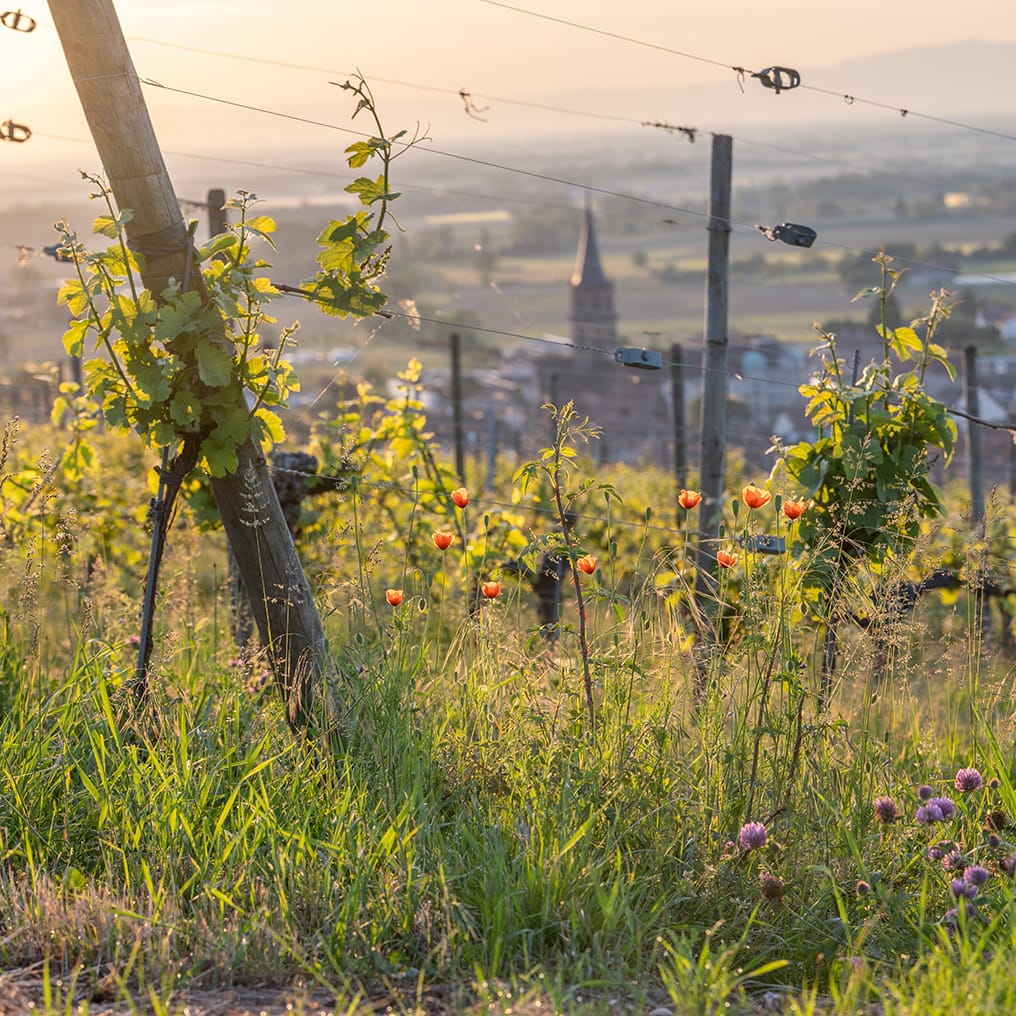
Then begins a new philosophy of working by integrating this concept of place and terroir in the production of wines. At the same time, there came a reflection on improving the quality of the soil, and the brothers decided to set up grassing of the rows of vines to limit chemical weeding and erosion. During these years, they decided to build new storage facilities to store the production of bottles that had become more extensive over the years.

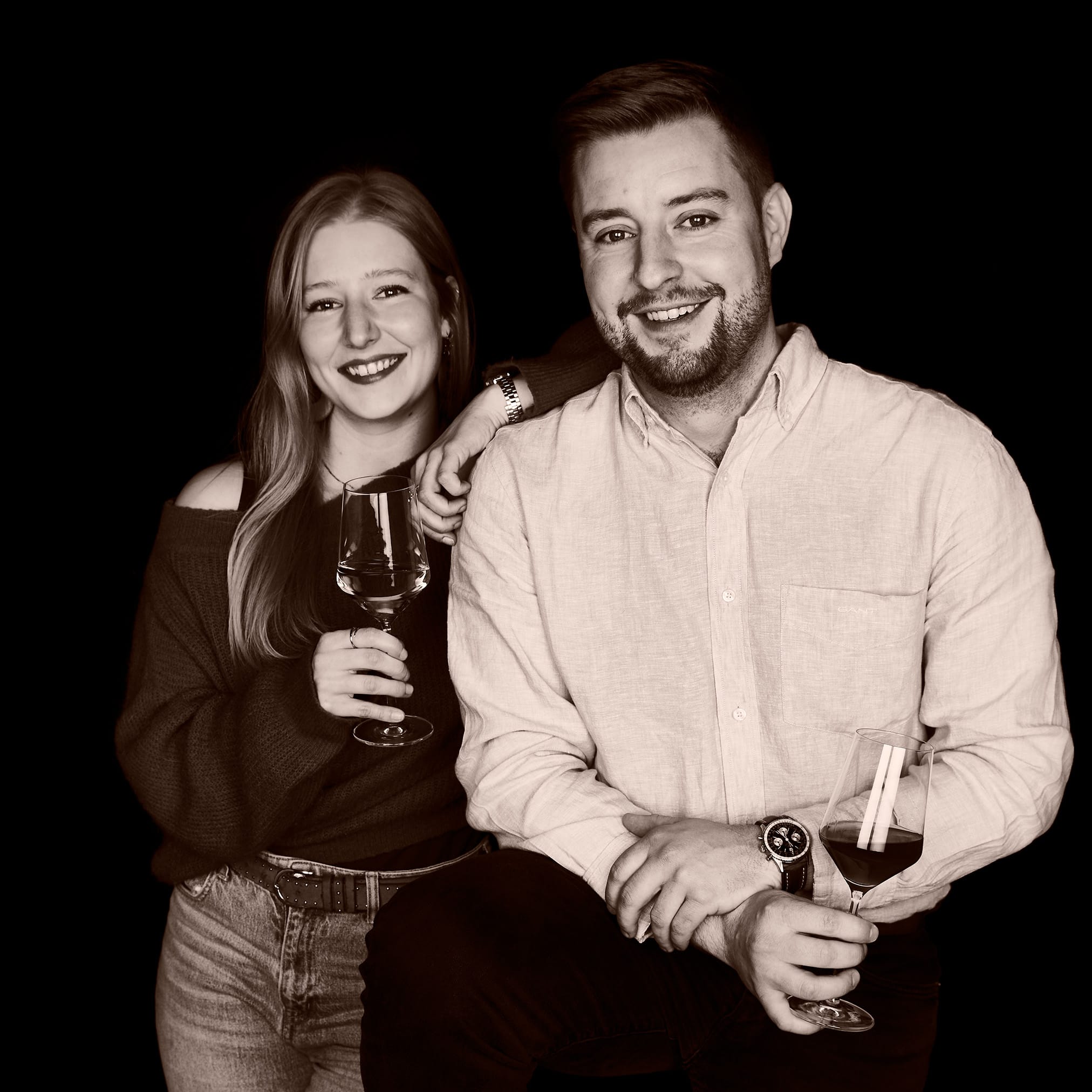
After studying wine trade at the Lycée Agricole de Rouffach and then at a Bordeaux business school (INSEEC), Charlotte built an experience of more than 6 years with prestigious Bordeaux farms before returning to Alsace. Today, she is in charge of the business strategy, and of the image of the estate, she puts these years of learning to the benefit of the family domain.
"After having had the opportunity to visit large castles of the Bordeaux vineyards, I am all the more convinced that our Alsatian vineyard has all the necessary assets to seduce and offers definitely good prospects for the future!"